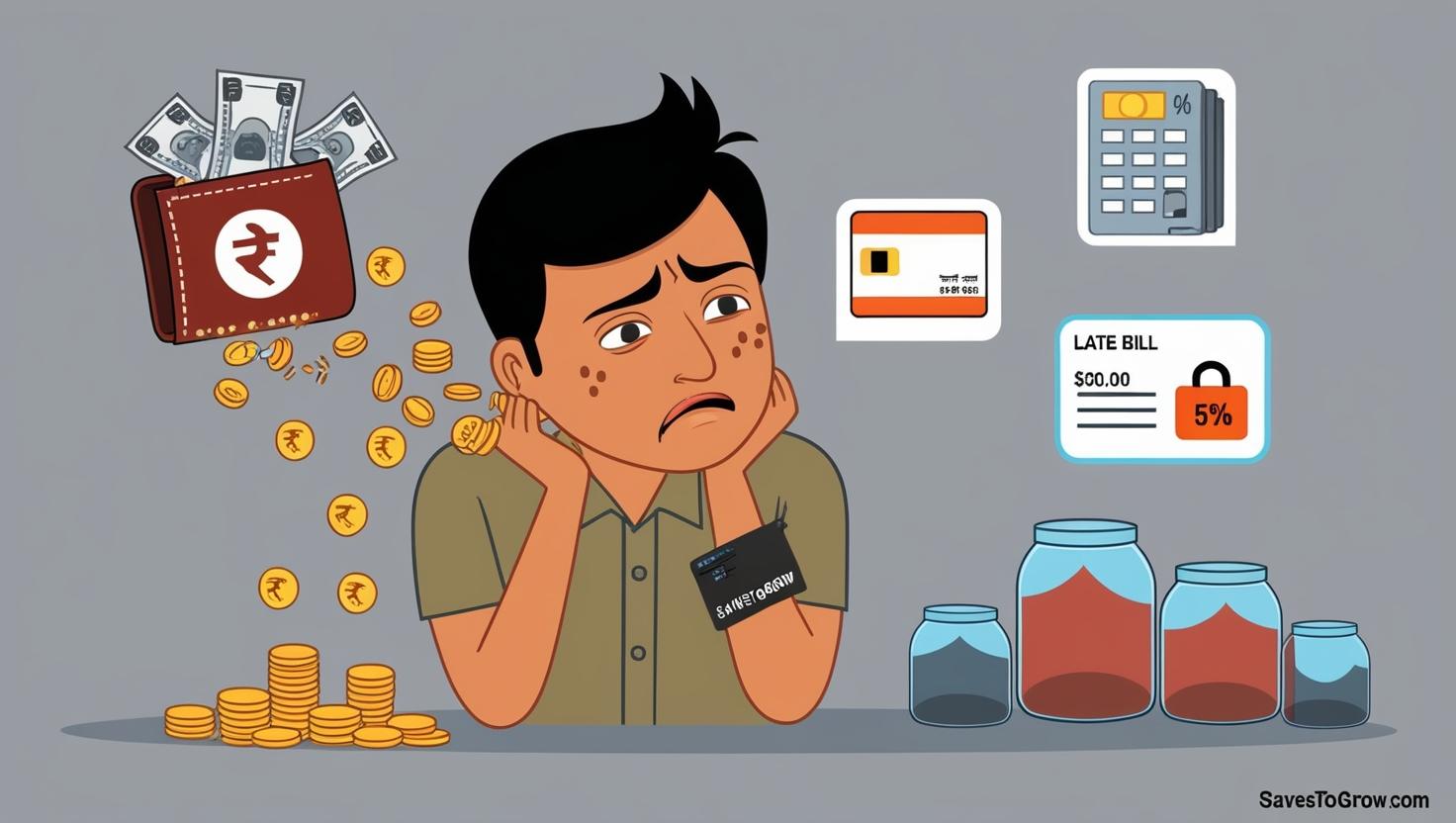
Minimalism didn’t start as a financial strategy for me.
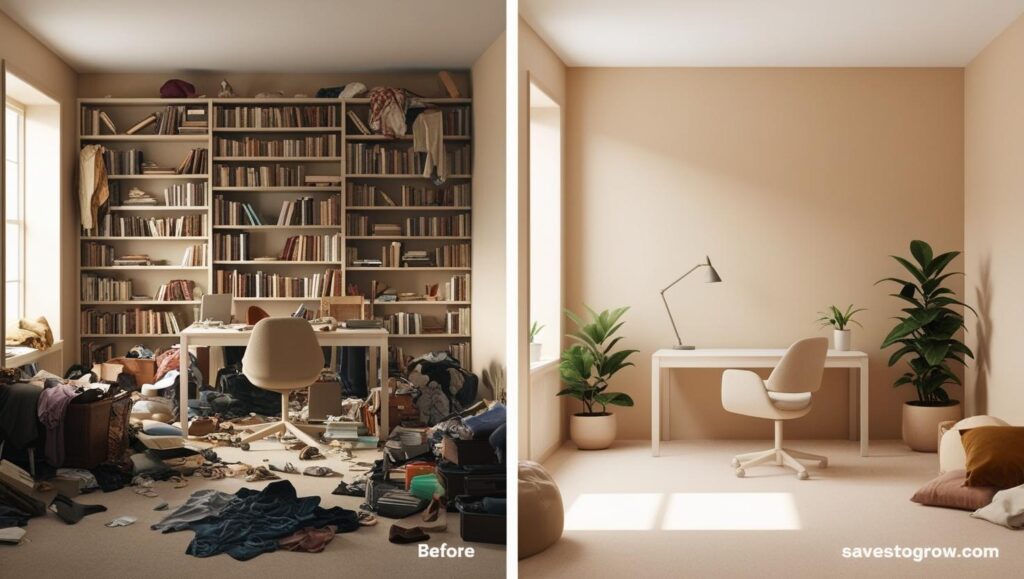
It began with a closet full of clothes I didn’t wear, drawers packed with random tech, and a creeping sense that my stuff was owning me—not the other way around.
But here’s the twist: owning less didn’t just clear my space—it cleared my debt, built my savings, and transformed my relationship with money.
Let me show you how.
🧠 The Wake-Up Moment: Drowning in “Stuff”
It hit me during a weekend closet cleanout. I found three watches I forgot I owned. Five backup phone chargers. Clothes with tags still on.
All bought in the name of convenience. Or dopamine. Or status.
And yet, I didn’t feel richer—I felt trapped. Financially and emotionally.
That day, I asked myself: What if less actually meant more?
📉 Step 1: Stop the Bleeding — Cutting Unconscious Spending
Minimalism started with a single rule: If it doesn’t add real value, I don’t buy it.
That meant:
- Unsubscribing from flash sale emails
- Deleting shopping apps
- Following a 72-hour rule before any purchase
Result? My impulse spending dropped by over 70% in the first month.
🧾 Step 2: Declutter, Then Monetize

I turned clutter into cash.
Here’s what I sold in 30 days:
- $500 worth of old gadgets
- $300 in unused gym gear
- $200 in barely-worn branded clothing
Total: $1,000+ back in my pocket.
That became my emergency fund starter.
💸 Step 3: Conscious Consumption = Financial Awareness
I now approach every purchase with two questions:
- Will I use this weekly?
- Does it align with my goals?
Turns out, when you reduce “wants,” your financial clarity skyrockets.
I tracked where my money was going—and redirected it into things that compound:
- High-yield savings
- Index funds
- A side hustle course
Minimalism trained me to spend with intention, not emotion.
🏡 Step 4: Downsizing & Lifestyle Design
I moved into a smaller space.
Lower rent. Lower utility bills. Less maintenance.
But most importantly? More mental space.
By cutting lifestyle inflation, I reclaimed 30% of my income and put it toward what truly matters: freedom, not furniture.
🚀 The Financial Wins (in 12 Months)
- Saved $15,000
- Paid off all consumer debt
- Built 6-month emergency fund
- Invested consistently
- Cut monthly expenses by 40%
And the surprising part? I never felt deprived. I felt in control.
🌱 Minimalism Isn’t Aesthetic—It’s Empowerment

Forget white walls and Instagram grids. Minimalism is a mindset. It’s the decision to own your life by owning less.
I don’t miss the clutter. I don’t miss the chaos.
What I gained—clarity, freedom, financial peace—was worth far more.
🧭 Final Thought
You don’t need to throw out everything or live out of a suitcase.
Start small:
- Clean one drawer
- Sell one unused item
- Ask yourself: Is this adding value or draining it?
Minimalism is the richest “budget” I’ve ever followed.
And the best part? You can start today—without spending a dime.

Prashant Thakur is the founder of SavesToGrow.com. He is not a financial advisor — he's a self-taught personal-finance enthusiast who learned to budget, save consistently, and invest from scratch, and now shares those hard-won lessons in plain, jargon-free English. Every guide is researched from primary sources such as the Income Tax Department, SEBI, RBI and AMFI, and reflects real, first-hand experience. Nothing on this site is professional financial advice — always do your own research or consult a SEBI-registered advisor before making money decisions.