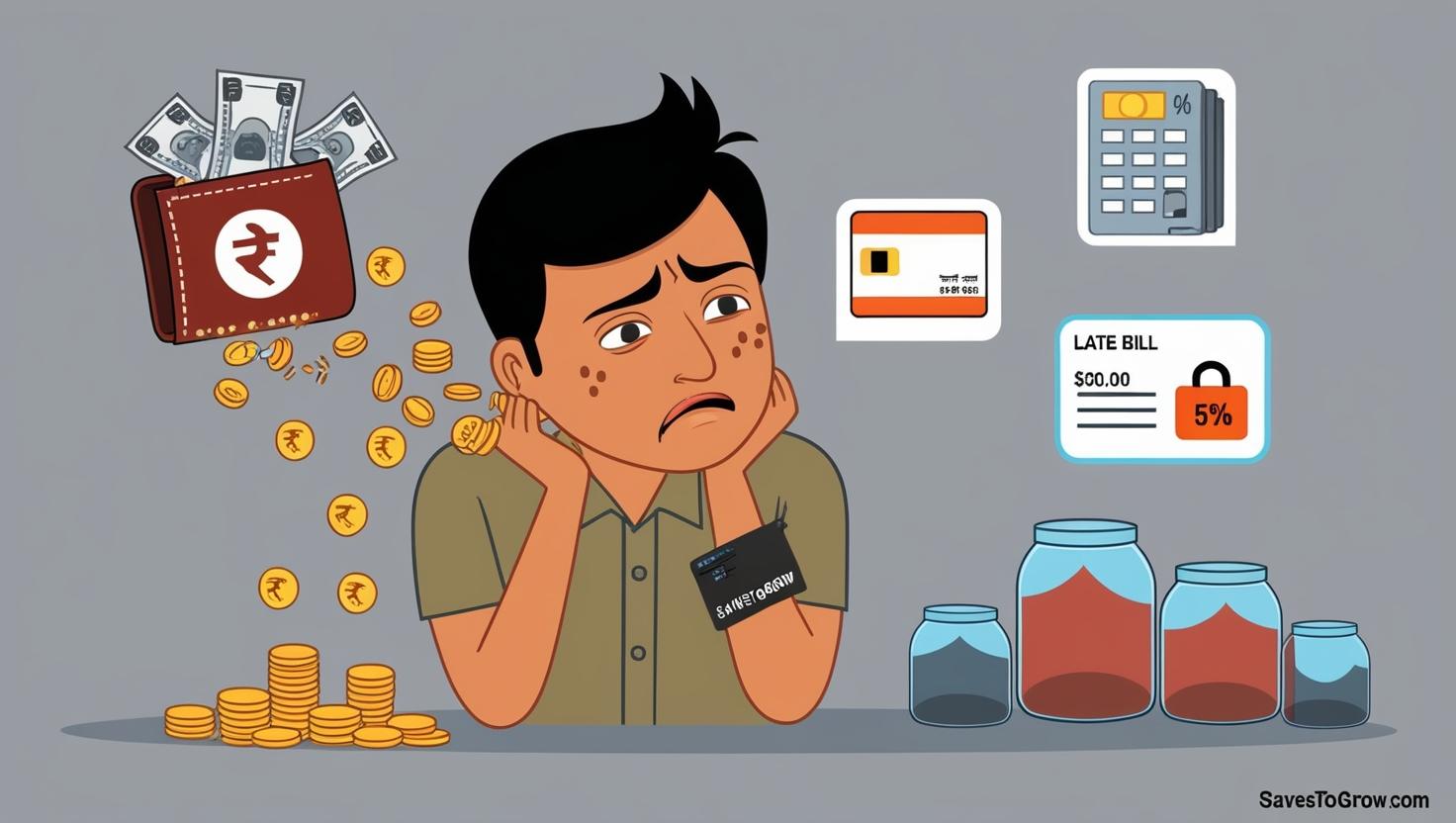
Saving money can feel like an uphill battle — even when you know how important a financial cushion is. Whether you are trying to save for emergencies, a big purchase, or long-term goals, it is easy to feel stuck in a cycle of inconsistent saving. But here is the thing: it is rarely just about income or willpower. There is psychology at play. Let us unpack why saving feels so hard, and exactly how to fix it.
Why you struggle to save: the psychology
1. Instant gratification
We are constantly surrounded by opportunities for instant rewards — ads, social media, sales, one-click checkout. The brain’s reward system craves that immediate hit, and spending delivers it. Saving, by contrast, feels like a sacrifice with a payoff far in the future, which makes it far easier to postpone.
2. Lack of financial education
Many of us were never taught the mechanics of budgeting, saving, or investing. Without a clear understanding of why saving matters and how to manage money, it is easy to feel overwhelmed and put it off indefinitely.
3. Fear of missing out (FOMO)
Seeing friends dining out, travelling, or upgrading their phones triggers a fear of being left behind. FOMO pushes you to prioritise spending over saving, often through impulse decisions you later regret.
4. Stress and anxiety around money
If you are living pay-cheque to pay-cheque or carrying debt, saving can feel impossible — so the mind avoids the topic entirely. This avoidance keeps you stuck, because you never confront the numbers long enough to change them.
5. Cognitive dissonance
When your actions contradict your values — you believe saving matters but keep overspending — you feel mental discomfort. To ease it, you rationalise the spending (“I deserve this”, “I’ll start next month”). That inner conflict quietly sabotages every savings plan.
How to fix it and build a lasting savings habit
1. Set clear, specific goals
Vague intentions (“I should save more”) rarely work. Define why and how much: “₹50,000 emergency fund by December”, “₹15,000 for Diwali travel”. Break big goals into monthly milestones you can track. Our guide on creating a budget that works for you shows how to build these targets into your monthly plan.
2. Automate your savings
The most reliable way to save is to make it invisible. Set up an automatic transfer or a SIP that moves money to savings the day your salary lands — before you can spend it. When saving happens by default, willpower stops being the deciding factor.
3. Change your relationship with money
If you see money purely as a route to instant pleasure, saving will always feel like deprivation. Reframe it: money is a tool for security, freedom, and choices. Start viewing saving as self-respect rather than self-denial — the more positive the association, the easier the habit.
4. Track your spending
You cannot fix what you cannot see. Use one of the best free budgeting apps in India to categorise your spends and spot exactly where the money leaks. Awareness alone often cuts wasteful spending within a month.
5. Practise delayed gratification
Before an impulse buy, pause. Use a 24-hour (or 30-day) rule: if you still want it later and it fits your goals, buy it. A powerful way to build this muscle is a 30-day no-spend challenge, which retrains your brain to separate wanting from buying.
Turn saving into wealth
Saving is step one; growing that money is step two. Once you are saving consistently, make sure you are not overpaying tax with our Old vs New Tax Regime Calculator, then explore the best investment options for salaried people to put your savings to work.
Frequently asked questions
Why is it so hard to save money even when I earn enough?
Because saving is as much psychological as financial. Instant gratification, FOMO, money-related stress, and cognitive dissonance all push you toward spending. Automating your savings and tracking spending removes willpower from the equation and makes saving the default.
What is the easiest way to start saving?
Automate it. Set up an automatic transfer or SIP for a small, comfortable amount on payday, then increase it gradually. Starting small and consistent beats waiting to save a large amount “later”.
How can I stop impulse spending?
Remove temptation (unsubscribe from sale emails, disable one-click checkout), use a 24-hour rule before non-essential purchases, and try a 30-day no-spend challenge to reset the habit.

Prashant Thakur is the founder of SavesToGrow.com. He is not a financial advisor — he's a self-taught personal-finance enthusiast who learned to budget, save consistently, and invest from scratch, and now shares those hard-won lessons in plain, jargon-free English. Every guide is researched from primary sources such as the Income Tax Department, SEBI, RBI and AMFI, and reflects real, first-hand experience. Nothing on this site is professional financial advice — always do your own research or consult a SEBI-registered advisor before making money decisions.