
How to Create a Budget That Works for You
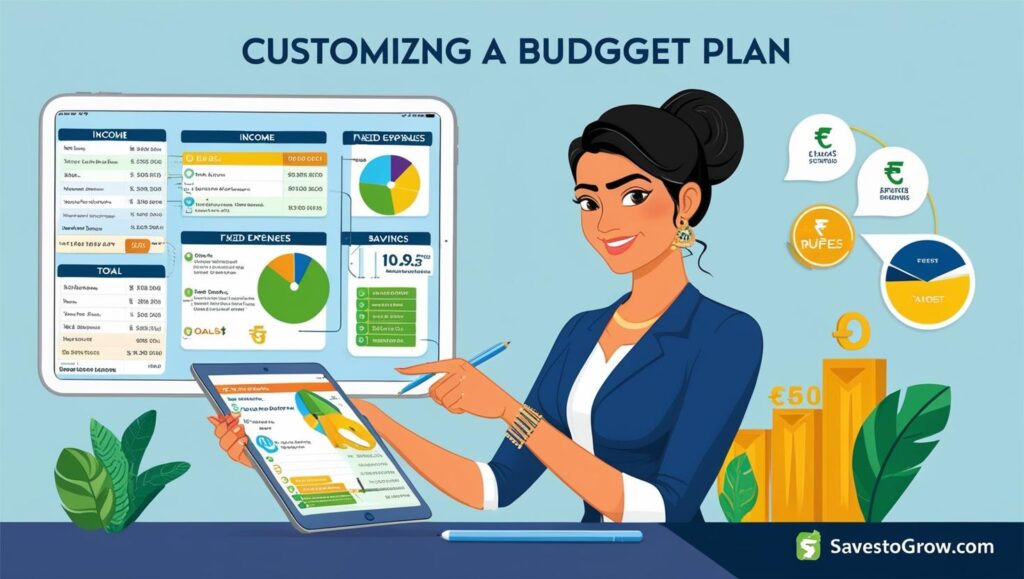
Creating a budget is one of the most empowering steps you can take to control your financial future. But a budget only works if it fits your life. This guide walks you through building a realistic budget in India — step by step, with a worked ₹ example — that you will actually stick to.
1. Know your financial goals
Before you budget, decide what you are working towards. Paying off a loan? Building an emergency fund? Saving for a trip? Clear, specific goals give your budget a purpose.
- Pay off ₹1,00,000 of credit-card debt in 12 months.
- Save ₹15,000 for a vacation in 6 months.
- Build a 6-month emergency fund.
2. Track your income and expenses
You cannot budget what you have not measured. Add up everything coming in (salary, freelance, side income) and everything going out.
- Fixed expenses: rent, EMIs, SIPs, insurance premiums, utilities.
- Variable expenses: groceries, fuel, eating out, shopping, entertainment.
The easiest way to do this is with an app. See our guide to the best free budgeting apps in India — tools like Walnut, ET Money, and Goodbudget track spends automatically or by category so you are not stuck with a spreadsheet.
3. Try the 50/30/20 rule (with a ₹ example)
A simple, popular framework: split your take-home pay into 50% needs, 30% wants, 20% savings and debt repayment. Here is how that looks on a ₹50,000 monthly salary:
| Bucket | Share | On ₹50,000 | Covers |
|---|---|---|---|
| Needs | 50% | ₹25,000 | Rent, groceries, bills, EMIs, transport |
| Wants | 30% | ₹15,000 | Dining, shopping, OTT, travel |
| Savings | 20% | ₹10,000 | Emergency fund, SIPs, extra loan payments |
Adjust the ratios to your reality — in high-rent metros, needs may run higher, so trim wants rather than savings.
4. Or choose another budgeting method
- Zero-based budgeting: every rupee gets a job until the balance is zero. See our zero-based budget guide for India.
- Envelope system: allocate cash (or digital envelopes) per category; when it is gone, you stop.
- Pay-yourself-first: move savings out the moment your salary lands, then spend the rest guilt-free.
5. Automate everything you can
Set up auto-pay for bills and EMIs, and an automatic transfer or SIP for savings on payday. Automation removes willpower from the equation and makes consistency the default.
6. Be realistic, and review monthly
Life happens — some months you will overshoot a category. That is fine; adjust and move on. Do a 15-minute review at month-end to check income, spending, and progress, and tweak next month. A budget is a living plan, not a cage.
Make your budget go further
Once your 20% savings bucket is flowing, put it to work: reduce your tax outgo using our Old vs New Tax Regime Calculator, and explore the best investment options for salaried people. Struggling to stay disciplined? Our piece on the psychology of saving will help.
Frequently asked questions
What is the 50/30/20 budget rule?
It splits your take-home pay into 50% needs, 30% wants, and 20% savings and debt repayment. It is popular because it is simple and flexible enough for most Indian salaries.
Which is the best method to budget in India?
There is no single best method — the 50/30/20 rule is easiest for beginners, while zero-based budgeting gives the tightest control. Pick the one you will actually follow, and use a budgeting app to automate the tracking.
How much of my salary should I save?
Aim for at least 20% of take-home pay. If that is not possible yet, start with 5–10% and increase it by 1% every few months — consistency matters more than the starting amount.

Prashant Thakur is the founder of SavesToGrow.com. He is not a financial advisor — he's a self-taught personal-finance enthusiast who learned to budget, save consistently, and invest from scratch, and now shares those hard-won lessons in plain, jargon-free English. Every guide is researched from primary sources such as the Income Tax Department, SEBI, RBI and AMFI, and reflects real, first-hand experience. Nothing on this site is professional financial advice — always do your own research or consult a SEBI-registered advisor before making money decisions.