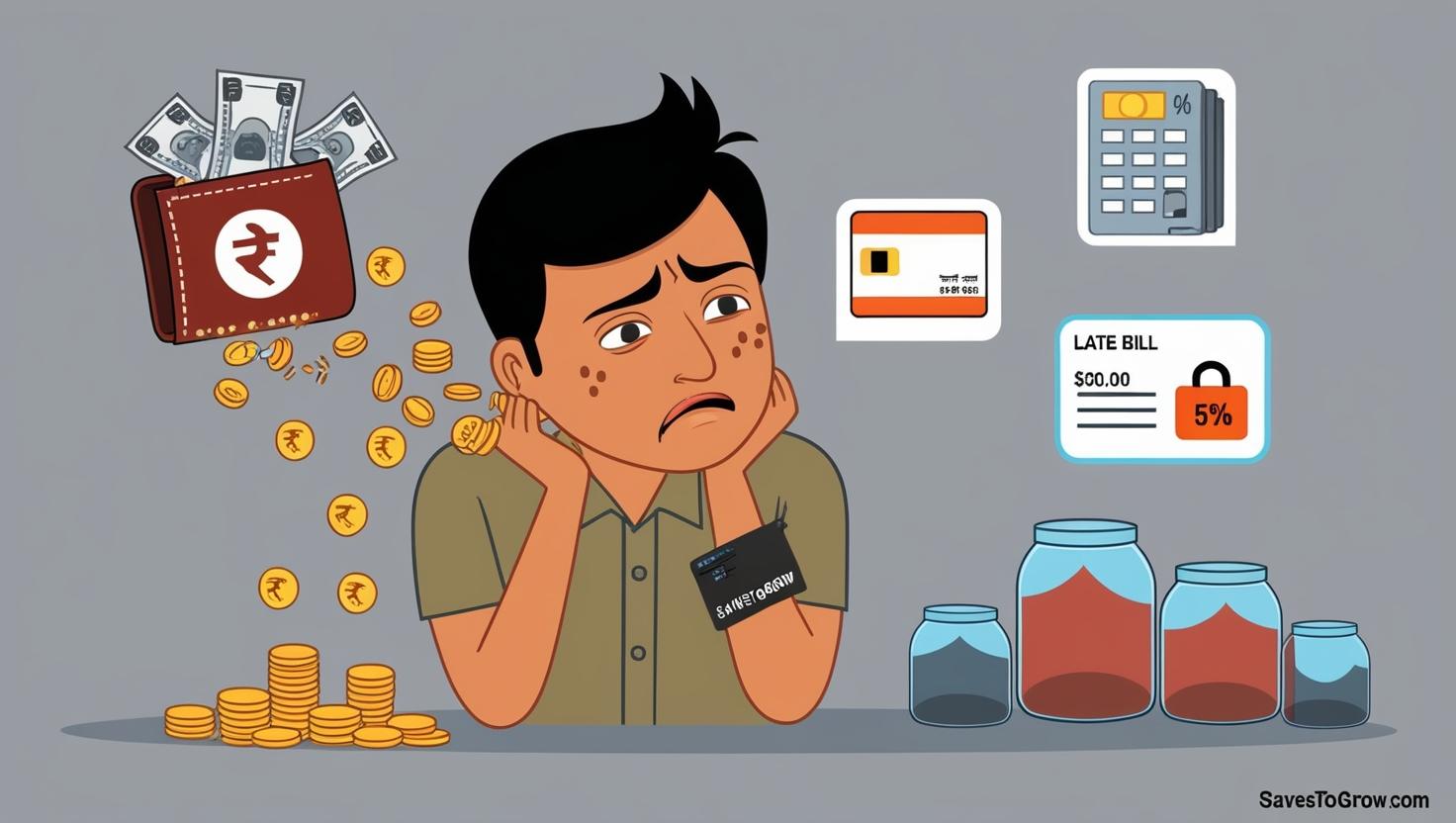
When was the last time you challenged your spending habits — not just tracked them? We all say we want to save more, cut back, live smarter. But most of us never test what we are actually capable of. So I did. Here is the story of my 30-day no-spend challenge — what I expected, what surprised me, and how it quietly rewired the way I see money.
💸 What is a no-spend challenge, really?
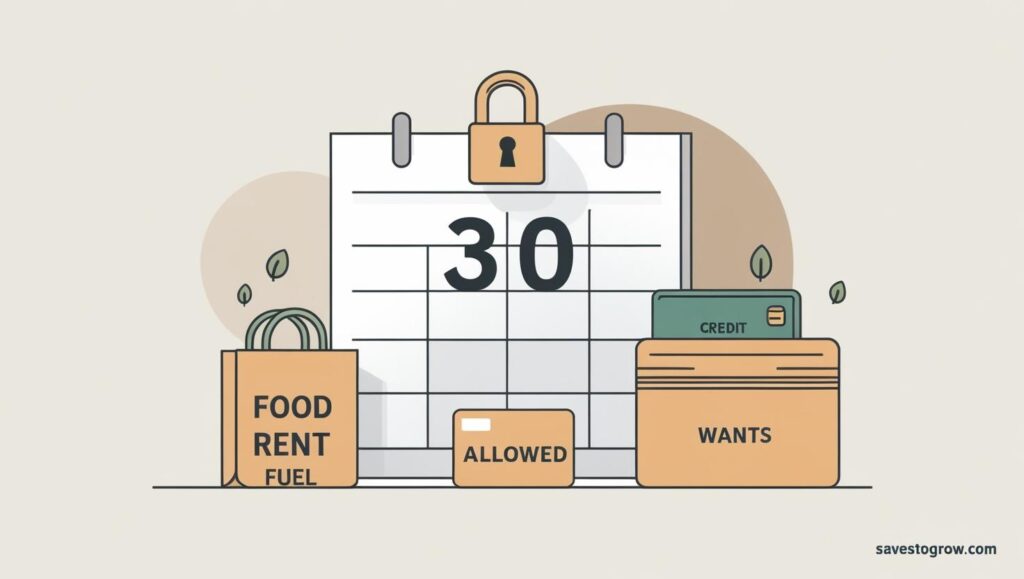
It is exactly what it sounds like: no unnecessary spending for 30 days. Essentials like food, rent, fuel, and bills are allowed. Eating out, online shopping, impulse buys, and new subscriptions are paused. It is not punishment — it is clarity. Once you take spending off the table, you start seeing your life differently.
🧠 Why I did it
It was not because I was broke, and it was not about guilt. It was curiosity. Could I live on less? Would I feel restricted, or free? What was I actually spending my money on — and why? This was not about saving ₹10,000. It was about resetting my relationship with money.
📅 Week 1: Withdrawal symptoms

Day 2, I caught myself scrolling Amazon without even thinking — not for anything urgent, just out of habit. I was not hungry or sad. I was bored. That is when it hit me: spending had become entertainment. The no-spend rule exposed how often I used money to fill emotional gaps. That awareness was worth more than the money I saved.
📅 Week 2: The cravings fade
By Week 2 it got easier — not because I had more willpower, but because I was not being tempted all the time. I unsubscribed from marketing emails, muted influencer content, and deleted a few shopping apps. My desire to spend dropped drastically. The less you see, the less you crave.
📅 Week 3: Rediscovering simple joys

Here is where the magic kicked in. I started cooking again. I called friends instead of ordering food out of loneliness. I re-read books I already owned. I walked more and scrolled less. The biggest shift? I was not trying to avoid spending — I was finally enjoying life beyond the swipe.
📅 Week 4: A whole new mindset
The last week felt powerful. I felt in control — not just of my wallet, but of my choices. I realised I did not miss 90% of the stuff I used to buy. My bank balance had not skyrocketed, but it was healthy — and more importantly, so was my perspective.
🔁 What changed after 30 days
- I cancelled 3 unused subscriptions.
- I built a “want list” — if something still matters after 30 days, I allow it.
- I started weekly spending check-ins.
- I kept “no-spend weekends” as a monthly habit.
The real win? I am no longer a passive consumer. I am a conscious one.
How to run your own 30-day no-spend challenge
Want to try it? Here is a simple framework:
- Set your rules. Write down what is allowed (rent, groceries, bills, fuel, medicines) and what is paused (eating out, shopping, OTT add-ons, impulse buys).
- Pick your window. A full month, or start with a “no-spend weekend” if 30 days feels big.
- Remove temptation. Unsubscribe from sale emails, mute shopping apps, and turn off one-click checkout.
- Track it. Use a budgeting app so you can see the money you did not spend pile up.
- Redirect the savings. At the end, move what you saved straight into your emergency fund or a SIP — do not let it drift back into spending.
Pair the challenge with a proper plan using our guide on how to create a budget that works for you, and understand the deeper drivers in the psychology of saving.
🧠 Final thought: money is a mirror
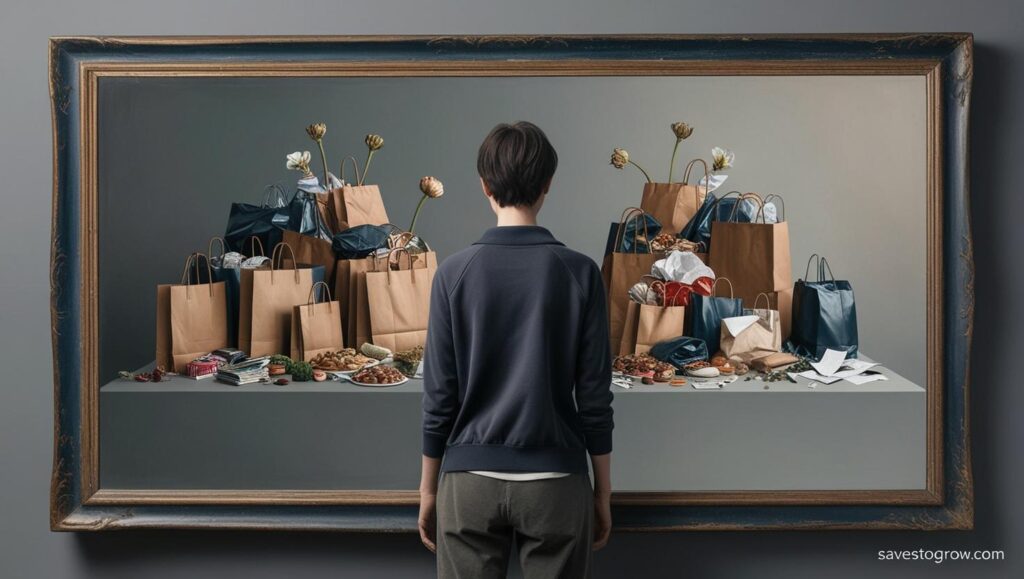
Most of us think money is just a math problem. It is not — it is emotional, behavioural, and deeply personal. A 30-day no-spend challenge does not just save you cash; it forces you to confront why you spend, when you spend, and who you are without it. And once you know that, every rupee becomes more powerful.
Frequently asked questions
What are the rules of a no-spend challenge?
You keep paying for essentials — rent, groceries, bills, transport, medicines — but pause all non-essential spending like eating out, shopping, and impulse buys, for a set period such as 30 days.
How much money can a no-spend month save?
It varies, but most people save whatever they normally spend on dining out, shopping, and subscriptions — often several thousand rupees. The bigger win is the lasting change in spending awareness.
Is a no-spend challenge worth it?
Yes — even if the rupee savings are modest, the challenge resets your relationship with spending, exposes emotional or boredom-driven purchases, and builds habits that keep paying off long after the 30 days end.

Prashant Thakur is the founder of SavesToGrow.com. He is not a financial advisor — he's a self-taught personal-finance enthusiast who learned to budget, save consistently, and invest from scratch, and now shares those hard-won lessons in plain, jargon-free English. Every guide is researched from primary sources such as the Income Tax Department, SEBI, RBI and AMFI, and reflects real, first-hand experience. Nothing on this site is professional financial advice — always do your own research or consult a SEBI-registered advisor before making money decisions.